Woolloop! Color Puzzle
Played 151 times.
- % (0/0)


Description
Instructions
Categories Tags Comments

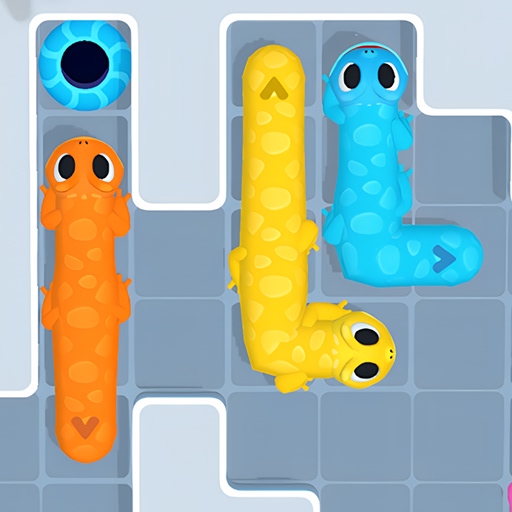
Woolloop! Color Puzzle is a relaxing, single‑player browser experience where the core mechanic is guiding tied bundles of yarn through conveyor belt loops to form intricate color patterns. Each level starts with a few simple loops; as you progress, the number of loops grows and the patterns they lock in become more elaborate, demanding careful attention to color pairing and timing. The game’s interface is uncluttered—just a central play area, a small palette of hue choices, and a status bar that shows the next yarn type. The script of the game is intentionally subtle; overworked music is replaced by gentle background tones that accent each yarn’s movement, fostering a soothing play loop that keeps players engaged without frantic pacing.
The core gameplay loop harnesses a rich combination of color matching and spatial planning. You drag a yarn bundle from its starting point toward a rotating loop; aligning it with the same color on the opposite side will cause both ends to lock together, and each successful pairing releases a new yarn on the far side of the belt. This mechanic rewards precision—misaligned colors reset the looped section while keeping the rest intact, allowing for a quick recovery and encouraging experimentation. The challenge escalates through ten levels, each introducing additional colors, faster belt speeds, and intricate loop shapes that require a more methodical approach. Even as difficulty rises, the game’s pacing remains consistent, making it approachable for those new to puzzle titles and a welcome break for those craving a calmer, yet thoughtfully designed, challenge.
Woolloop! Color Puzzle’s appeal lies in its marriage of simple physics with a vibrant visual palette. The yarn’s soft, semi‑transparent texture gives the game a tactile feel despite being purely digital, and the color palette shifts subtly as you progress, creating a sense of visual growth that mirrors the puzzle’s increasing complexity. The game’s design intentionally mirrors the soothing quality found in titles like Down the Hill and Doodle Drop, where fluid motion and gentle feedback keep the player contented. For those who appreciate agile timing and synchronized colors, the rhythm of the loops will be immediately engaging. Additionally, completing each level grants a visual reward of a stitched pattern that grows more intricate as you explore higher stages—an aesthetic incentive that reinforces incremental achievement without any extraneous notification or progress bar clutter.
If you’re looking for a short, comforting break from intensive strategy games, Woolloop! Color Puzzle offers a perfect meditative canvas. Its clear objectives, gradual difficulty curve, and consistent visual feedback make it suitable for quick sessions or longer playthroughs. The minimalist interface allows the colors and motion to do the talking, ensuring that players remain focused on the core puzzle mechanics. The game also fits nicely into a broader ecosystem of casual browser titles; fans of the charming physics in A7 Parking Puzzle and the lighthearted fun of Maldito Botín will find Woolloop! Color Puzzle pleasantly familiar.
Instructions
Goal: Use the mouse, keyboard, or touch to slide a yarn bundle from its starting point toward a rotating loop that connects it to a matching color on the opposite side. Each correct connection releases a new yarn. Misalignments cause the loop to reset.
Controls:
• Mouse or touch: click and drag the yarn toward the loop; release when the yarn center aligns with the loop’s center.
• Keyboard: use arrow keys to move a selection cursor, press Space or Enter to drag the yarn, and tap the left/right arrow to release.
Key mechanics & tips:
• Start with a single color; as new colors appear, add them to your active palette.
• Keep the belt speed in mind—if the yarn is moving too fast, try to anticipate the loop’s rotation.
• Use the reset ability (backspace or R) when stuck; it restores the loop without affecting the rest of the belt.
• For faster play, aim to match colors in a straight line; this reduces waiting time for the next yarn.
Sound and visual feedback are minimal, so rely on the subtle lighting and yarn motion to guide your decisions. Happy looping!
Categories Tags Comments
You must log in to write a comment.